
Benefits of Chiropractic Adjustment Explained
A chiropractic adjustment is a hands-on treatment that may help reduce certain types of back pain and improve everyday movement. Its benefits are generally modest, and it works best as one option within a broader care plan—not as a cure for every ache or health condition.
Understanding the evidence, techniques, and safety considerations can help you decide whether an assessment is worthwhile. (nccih.nih.gov)
What do chiropractors do, and what is an adjustment?
Chiropractors are licensed healthcare professionals whose treatment commonly includes manual therapy, particularly spinal manipulation, alongside approaches such as exercise.
During an adjustment, a practitioner uses their hands or a device to deliver a controlled thrust to a spinal joint. Mobilization is different: it uses movement without a thrust. (nccih.nih.gov)
The useful distinction is between an individual treatment and the whole care plan. An adjustment is one technique; chiropractic care may also include exercises and guidance for managing symptoms between appointments. Ask what each proposed treatment is intended to accomplish rather than assuming every visit should involve manipulation. (nccih.nih.gov)
When discussing a chiropractor adjustment, focus on the outcome you want. Being able to finish a grocery trip or sit through a meeting is a clearer goal than simply receiving more adjustments. Bring those priorities into the conversation from the start.
What benefits can a chiropractic adjustment realistically provide?
Spinal manipulation may provide small improvements in pain and function for people with short-term or persistent lower back pain. It is not consistently better than other recommended conservative treatments, and individual responses vary. The most realistic expectation is a possible improvement in comfort and activity—not guaranteed or permanent relief. (nccih.nih.gov)
Pain relief with realistic expectations
For persistent lower back pain, a Cochrane review found that spinal manipulation may offer little to no difference in pain compared with other conservative treatments, such as exercise. Confidence in the evidence was limited because techniques, treatment schedules, and study results varied. That makes personal preference, safety, cost, and measurable progress important when choosing care. (cochrane.org)
Avoid judging treatment only by how you feel immediately afterward. Instead, ask whether any relief carries into the activities that matter to you. Agree in advance on when you and the practitioner will review whether continuing makes sense.
Improvements in everyday function
Function means how symptoms affect activities such as walking, standing, sleeping, and household tasks. Spinal manipulation may improve this aspect of lower back pain, even when the average benefit is small. A useful treatment goal therefore includes what you can do, not just a pain score. (nccih.nih.gov)
Consider tracking a few practical markers:
-
Walking: Can you complete your usual route with fewer interruptions?
-
Work: Can you manage necessary tasks with less disruption?
-
Home activities: Is dressing, cooking, or carrying light groceries becoming easier?
-
Your own priority: Which meaningful activity would you most like to regain?
These are examples for a progress discussion, not promises of improvement. Choose markers that reflect your actual routine rather than someone else’s recovery goals.
A nondrug option within a broader plan
Among the potential advantages of chiropractic therapy is access to a nondrug treatment option for lower back pain. That does not mean medication is always inappropriate or that manipulation should replace medical care. Discuss complementary treatments with your healthcare providers, and do not change prescribed medicines without the prescriber’s advice. (nccih.nih.gov)
Chiropractic treatment of lower back pain works within a bigger picture
Chiropractic treatment of lower back pain should not revolve around adjustments alone. NICE recommends considering manual therapy only within a package that includes exercise, with psychological therapy where appropriate. Its guidance also emphasizes self-management and continuing normal activities according to individual needs and capabilities. (nice.org.uk)
If you are researching chiropractic low back pain care, ask how hands-on treatment connects with your home plan. What activity should you continue? Which exercises are suitable, and how should you adjust them if symptoms change? A clear explanation is more useful than a list of treatments without a purpose.
For example, you might ask to build a plan around returning to a comfortable daily walk. Request guidance on a manageable starting point, progression, and when to seek reassessment. The goal is to leave with understandable next steps rather than uncertainty about what to do between visits.
Back pain often improves over time, including without hands-on treatment. Staying active is generally encouraged, while prolonged bed rest is discouraged. Improvement after an appointment therefore does not, by itself, establish that the adjustment caused the entire change. (nhs.uk)
Chiropractic techniques are not all the same
Manual therapy includes several approaches, and their names can be confusing. Spinal manipulation uses a controlled thrust; mobilization uses joint movement without that thrust; soft-tissue techniques (such as Active Release Techniques) work with muscles and related tissues. Practitioners may combine these with corrective exercises and self-management advice. (nice.org.uk)
When comparing chiropractic techniques, ask for a plain-language explanation of the proposed approach:
-
Purpose: What symptom or activity limitation is it intended to address?
-
Experience: What position, pressure, or movement should you expect?
-
Alternatives: Could mobilization, exercise, or another approach be considered?
-
Consent: How can you pause or decline a technique if you feel uncomfortable?
Do not feel pressured to choose a technique because its name sounds advanced. Ask why it fits your situation and what would prompt a different choice. Your preferences should be part of the discussion, especially if you are anxious about hands-on treatment.
What are the risks, and when should you seek medical care instead?
Temporary soreness, stiffness, increased discomfort, or headache can occur after spinal manipulation. Serious complications have been reported and are considered very rare, but their frequency is not accurately known. Neck manipulation has been associated with cervical artery tears that can cause stroke; whether manipulation causes these tears remains debated, and informed consent should address this risk. (nccih.nih.gov)
Some health conditions require additional caution. Tell the practitioner about blood-thinning medicines, weak or seriously damaged bones or joints, and conditions affecting your nerves. These can affect whether chiropractic treatment is appropriate. Share your health history before treatment rather than waiting until a technique is underway. (nhs.uk)
Seek emergency medical care instead of booking an adjustment if back pain occurs with new bladder or bowel problems, numbness around the genitals or anus, symptoms in both legs, or after a serious accident. Back pain with fever, feeling generally unwell, or rapidly worsening severe pain also needs prompt medical assessment. (nhs.uk)
Benefits for back pain should not be stretched into claims about unrelated illnesses. High-quality research has not established clear benefits of spinal manipulation for nonmusculoskeletal conditions. Be cautious of promises that adjustments will treat systemic disease. (nccih.nih.gov)
Prepare for an informed first appointment
Before choosing a chiropractor, ask about licensure, experience with your condition, likely visit requirements, and out-of-pocket costs. Share your medications, supplements, medical conditions, and other treatments. These conversations help you weigh practical commitments as well as potential benefits and risks. (nccih.nih.gov)
Bring a short written summary so important details are not lost during the appointment. Include when symptoms began, what makes them better or worse, and which activities are most affected. Also write down what you have already tried and what you hope an assessment will clarify.
Use this checklist to guide the discussion:
-
Clarify the working explanation. Ask what the findings suggest and what remains uncertain.
-
Understand the options. Request the expected benefits, risks, and alternatives before consenting.
-
Agree on a review point. Decide when to assess progress rather than committing without reassessment.
-
Get usable home guidance. Ask for clear instructions and an explanation of when to stop and seek advice.
-
Check the financial details. Confirm appointment fees and insurance arrangements before proceeding.
You can also ask whether imaging would change the recommended care. Routine imaging is not recommended for lower back pain in nonspecialist settings; specialist imaging is generally considered when the result is likely to change management. (nice.org.uk)
Choose progress over promises
A chiropractic adjustment may be worth considering for selected back pain problems, with modest expectations and attention to safety. Look for care that connects any hands-on treatment with activity, exercise, and reassessment—not guarantees of a cure. (nccih.nih.gov)
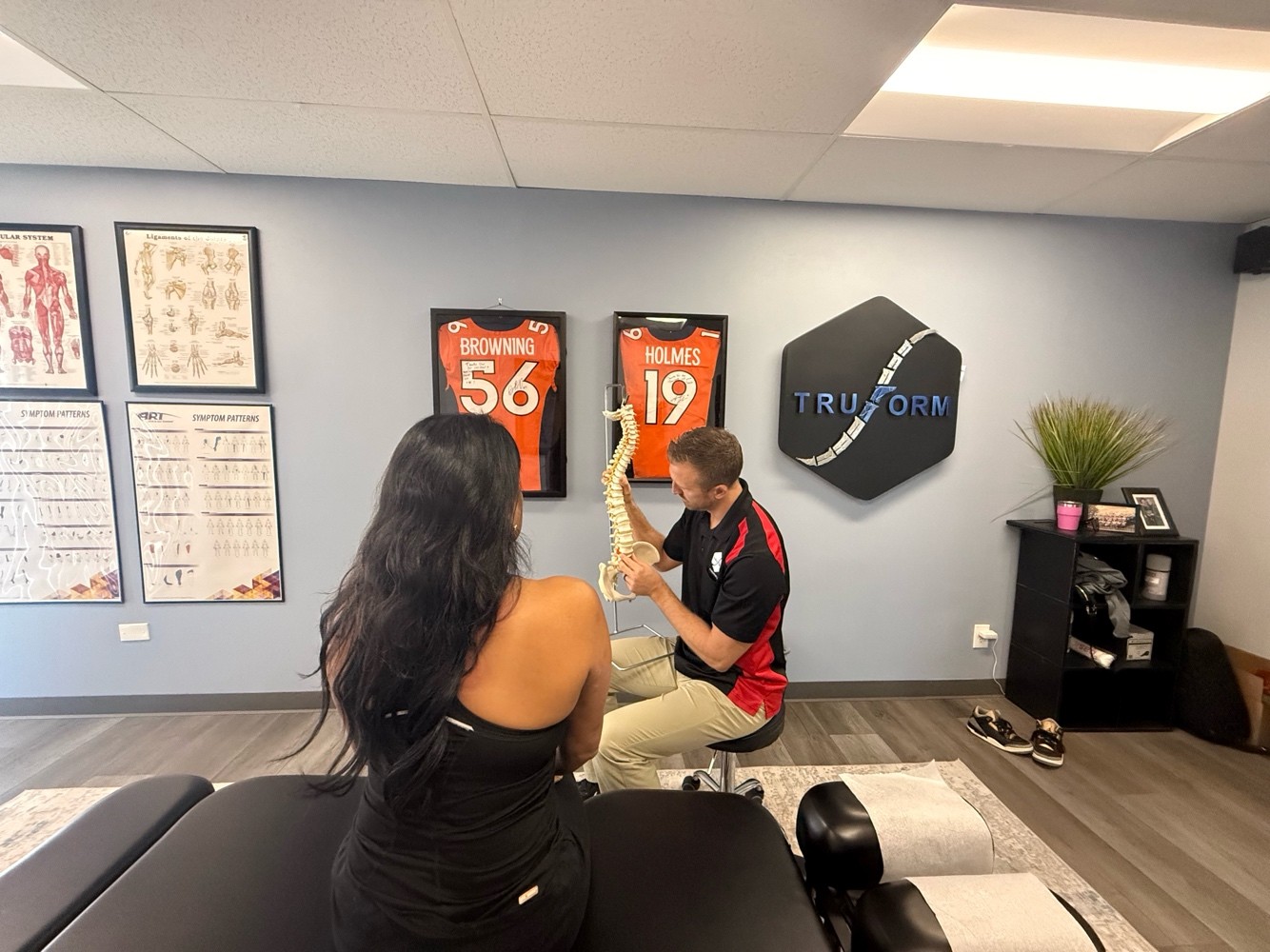
Wondering whether a chiropractic adjustment is right for you? At True Form Chiropractic in Denver, Dr. Joe Vear starts every first visit by listening: your symptoms, your health history, and what you want to get back to doing. From there, he’ll walk you through your options, answer your questions, and build a plan around your goals, with clear check-ins along the way so you always know how you’re progressing.
Book your initial assessment at trueformchiropractic.com/contact or call (720) 449-6723.